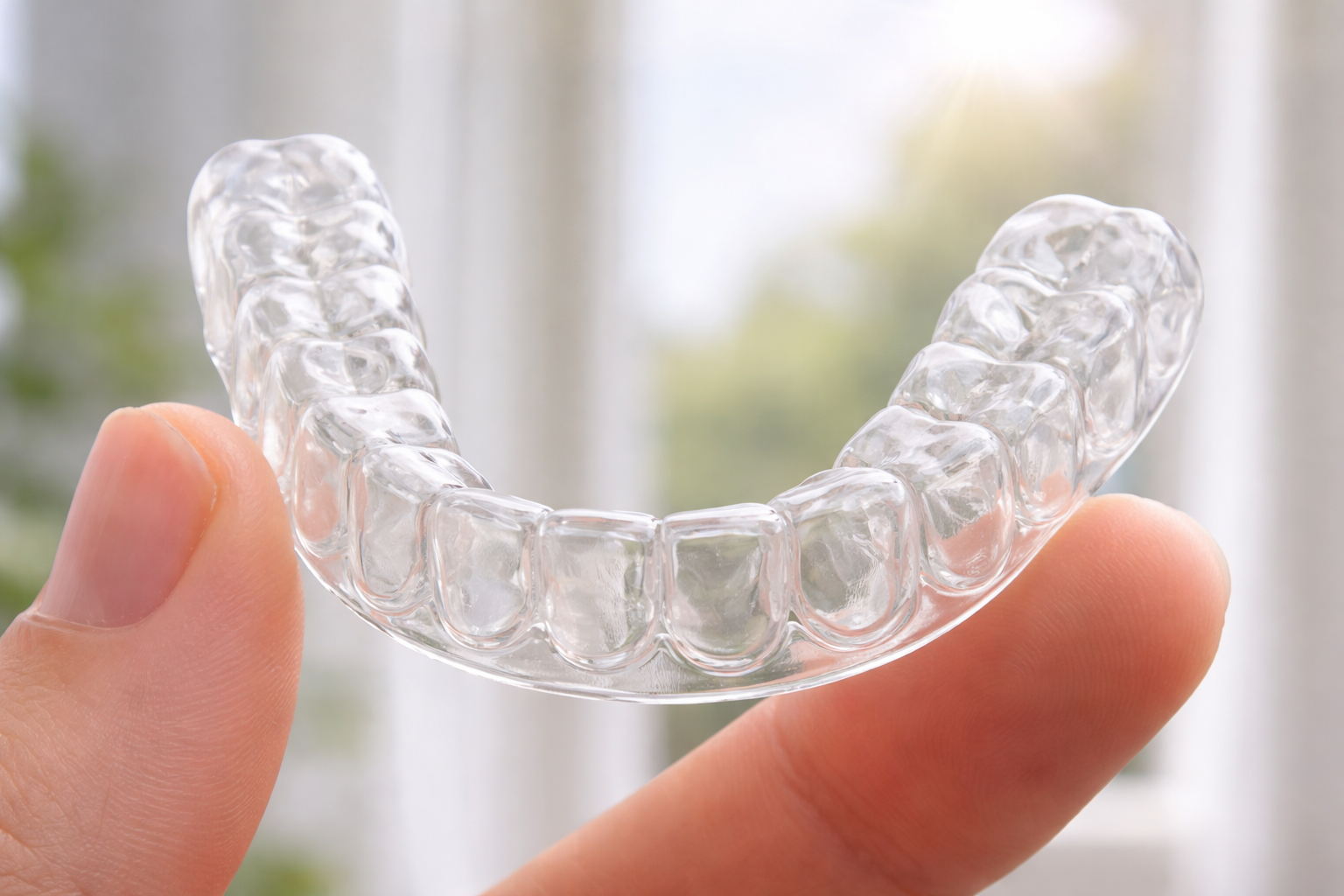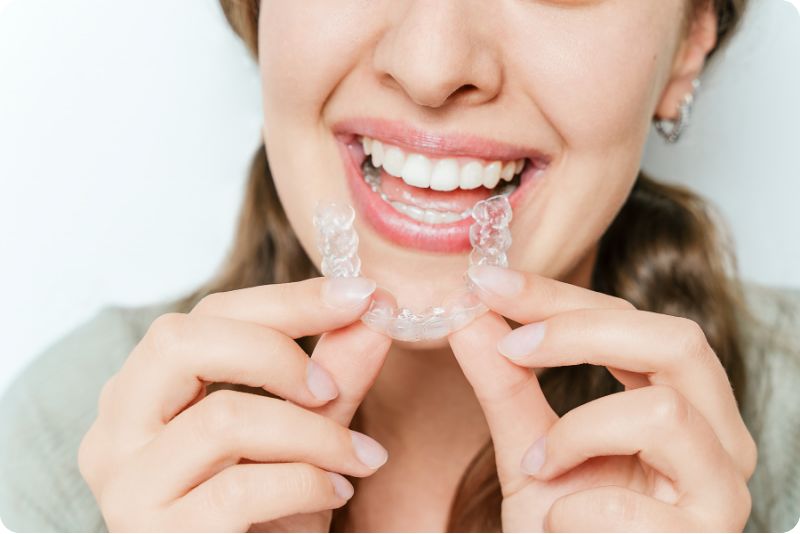


Clear retainers are commonly made from material around 0.75–1 mm thick. Other available sizes include 0.5 mm, 0.625 mm, 0.8 mm, approximately 0.89 mm, and thicker specialty options. SuperbDent offers 0.76 mm and 1 mm retainers: a thinner option and an option with more material thickness.
These numbers usually describe the starting material before it is formed over a model of the teeth. The finished shell can vary in thickness across its surface. That distinction explains the specification; it does not stop you from comparing the available options.
Retainer thicknesses at a glance
| Nominal thickness | Where you will see it | How it fits into the comparison |
|---|---|---|
| 0.5 mm | Thinner thermoforming materials, including options in SCHEU-DENTAL’s retainer indication chart. | A thin, material-specific option; not every retainer material is offered in this size. |
| 0.6 mm / 0.625 mm | Examples include Invisacryl B at 0.6 mm and Zendura A at 0.625 mm. | Thinner alternatives to the familiar three-quarter-millimeter range. Invisacryl B is opaque. |
| 0.75 mm / 0.76 mm | Common examples include DURAN, Essix ACE, and Zendura A. SuperbDent offers 0.76 mm. | A common thinner option for a clear retainer. |
| 0.8 mm | Offered in some material lines, such as Invisacryl B. | An intermediate size; this example is opaque rather than clear. |
| 0.875 mm / approximately 0.89 mm | Essix lists a 7/8 mm / .035-inch class; Zendura Guard is listed at 0.89 mm. | An intermediate option between approximately 0.75 mm and 1 mm. |
| 1 mm / 1.02 mm | Common examples include Essix ACE, Essix C+, and Zendura A at 1.02 mm. SuperbDent offers 1 mm. | A common option with more material thickness than 0.75–0.76 mm. |
| 1.2 mm | A specialty example is SCHEU-DENTAL’s DURASOFT pd with DURASOFT seal. | Part of a specific material system, rather than a universal retainer specification. |
| 1.5 mm | A thicker option offered by some retainer providers. | An option to discuss when a thicker appliance is prescribed; it is not automatically a substitute for a night guard. |
The common sizes above appear in the Essix catalog, Zendura A specifications, and Zendura Guard specifications. Great Lakes’ catalog includes the opaque Invisacryl B options. The SCHEU-DENTAL catalog documents the specialty 1.2 mm system. A 1.5 mm provider example illustrates the thicker end of the range.
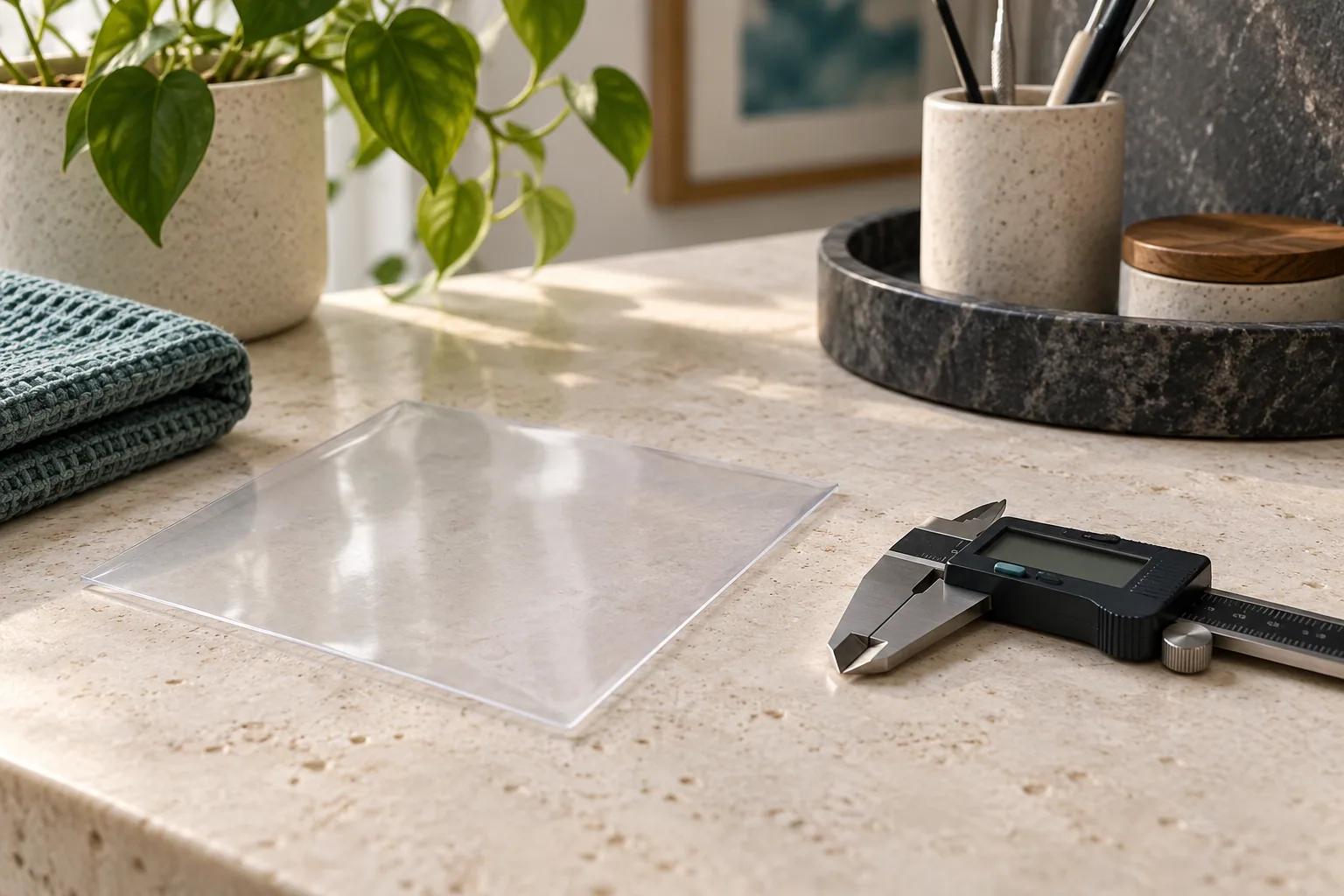
SuperbDent retainers: 0.76 mm and 1 mm
SuperbDent offers two clear retainer thickness options. Both are intended for retention; the choice gives the prescribing practice a thinner option and a thicker option within the commonly used range.
| SuperbDent option | What the size tells you | When to discuss it |
|---|---|---|
| 0.76 mm | The thinner of our two options. | When a thinner appliance profile is a priority in the retention plan. |
| 1 mm | 0.24 mm more nominal thickness than our 0.76 mm option. | When the clinician prefers more material thickness for the prescribed retainer. |
For a practice placing an order, specify 0.76 mm or 1 mm with the case details. For a patient comparing options, the practical question is whether the thinner profile or the additional material thickness better suits the retainer your clinician is prescribing. Explore the Superb Retainer service for the scan and ordering workflow.
Why some catalogs say 0.75 mm and others say 0.76 mm
Dental material catalogs use both millimeters and inches. An exact conversion of .030 inches is 0.762 mm, .035 inches is 0.889 mm, and .040 inches is 1.016 mm. Catalogs may group these as approximately three-quarter millimeter, seven-eighths millimeter, and one millimeter.
Use the manufacturer’s listed specification when ordering. A 0.75 mm sheet and a 0.76 mm sheet belong to a similar thickness range, but the labels do not establish identical composition or manufacturing tolerances. Our clear retainer materials guide explains the material side of that comparison.
Does a thicker retainer last longer?
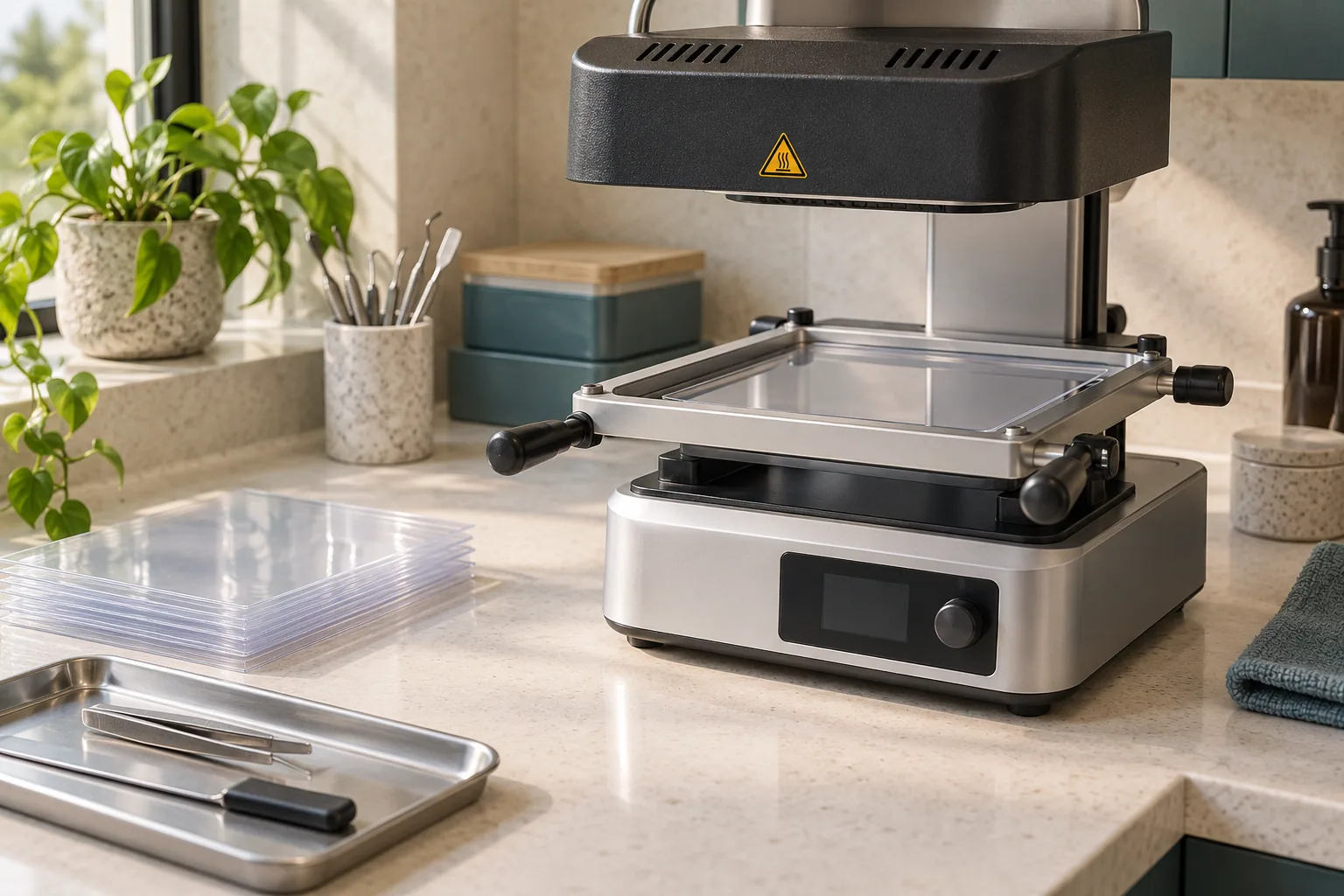
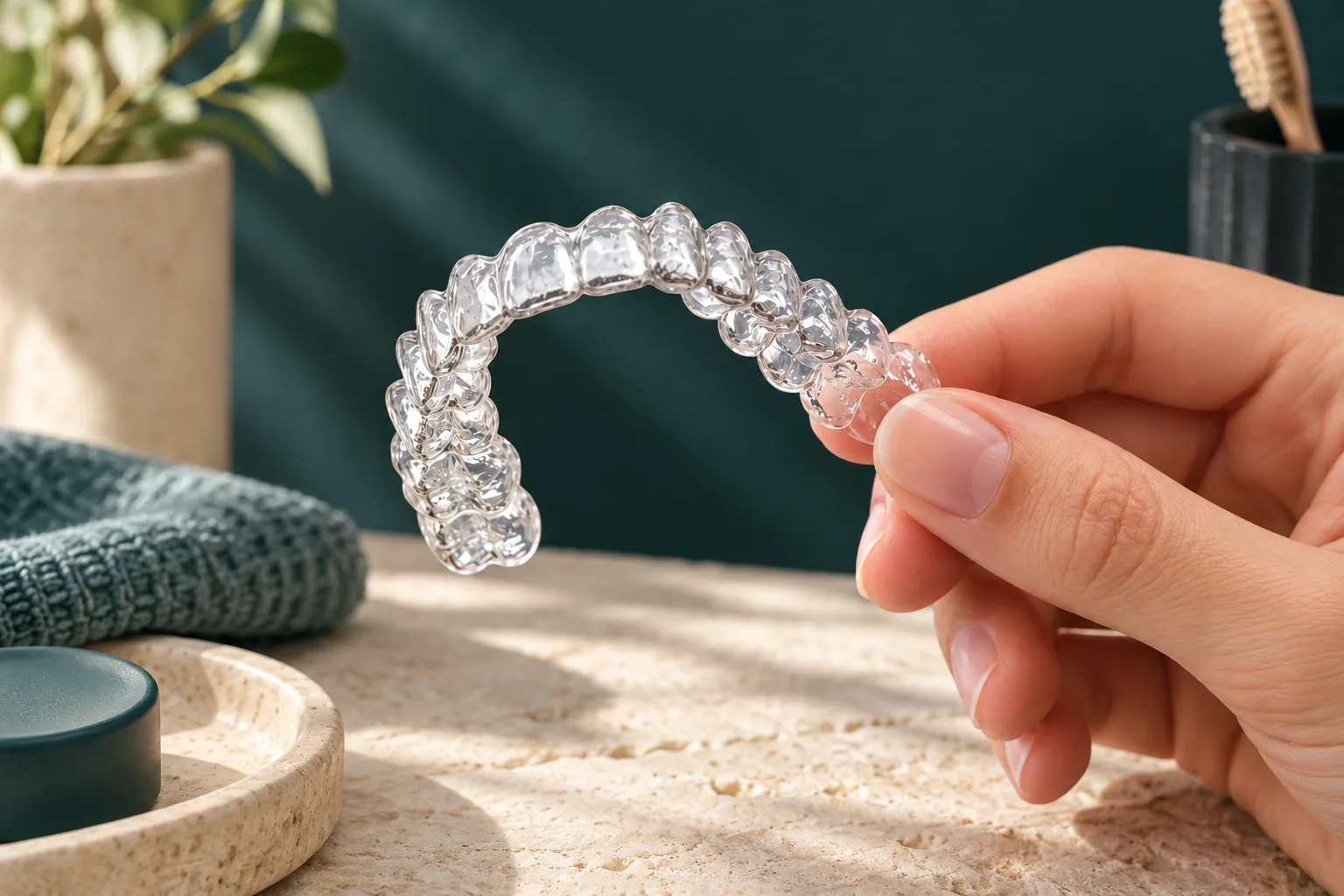
You cannot calculate service life from thickness alone. A thicker sheet contains more material across its depth, but material composition, manufacturing, fit, wear, and care also affect the finished appliance. Moving from 0.76 mm to 1 mm is an increase in nominal thickness, not a promise of a particular increase in strength or lifespan.
Repeated cracks or wear-through deserve a review of the appliance and the cause. Increasing thickness does not by itself turn a retainer into an appliance designed for grinding. Our retainer versus night guard guide explains the different purposes.
What about 2 mm retainers, Hawley retainers, and fixed retainers?
Dental catalogs also contain 2 mm and thicker plastics for splints, bite appliances, and other designs. Those listings should not all be presented as ordinary clear-retainer options. For example, the Essix catalog lists its 2 mm A+ material under bite planes, while its standard ACE retainer material is offered in thinner sizes. Confirm the appliance type as well as the thickness when comparing a thicker product.
A Hawley retainer combines an acrylic section with wire, and a fixed retainer uses a wire or other bonded framework behind the teeth. Their dimensions describe different components, so they do not fit into a clear plastic sheet thickness chart. See clear versus Hawley retainers for that comparison.
Which retainer thickness should you choose?
- Start with the appliance and material your clinician has selected for retention.
- Compare 0.75–0.76 mm and 1 mm when you want to understand two common clear-retainer thicknesses.
- For SuperbDent, specify 0.76 mm for the thinner option or 1 mm for the thicker option.
- If replacing a retainer because of cracking, discomfort, or wear, explain the problem before changing thickness.
0.75–1 mm is a common clear-retainer material range, and SuperbDent offers 0.76 mm and 1 mm. Choose between our thinner and thicker options as part of the clinician’s retention prescription, then confirm fit when the appliance is delivered.
Sources & further reading
- Dentsply Sirona: Essix plastics catalog, printed pages 27–29
- Zendura A: 0.625 mm, 0.76 mm, and 1.02 mm product specifications
- Zendura Guard: 0.89 mm product specifications
- Great Lakes Dental Technologies: invisible retainer materials
- Great Lakes Dental Technologies: material sizes in the 2024 mini catalog
- SCHEU-DENTAL: catalog and material indication chart
- SportingSmiles: example of a provider’s 1.5 mm retainer option
Prepared by SuperbDent Editorial. General education; your treating clinician determines your appliance and care plan.