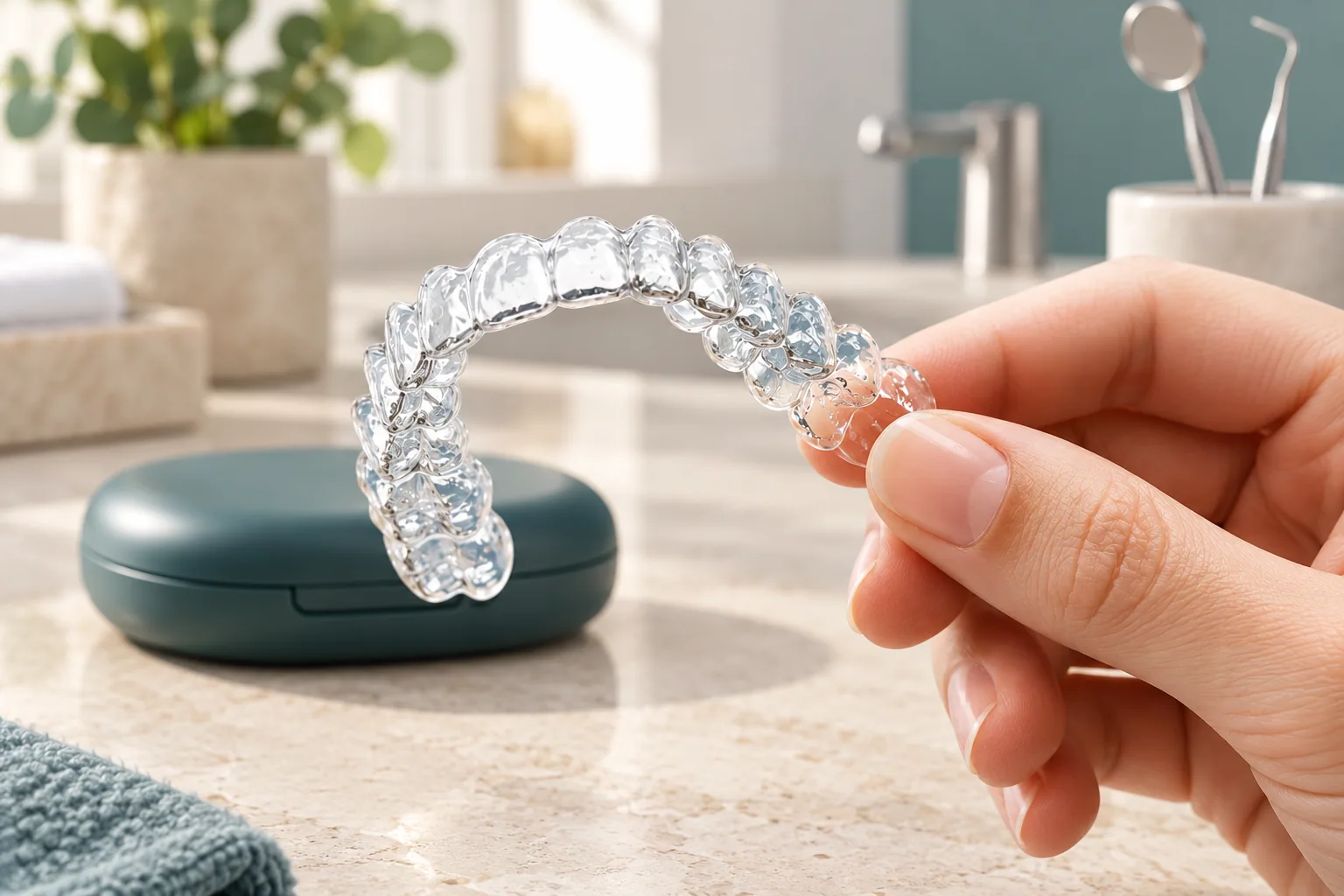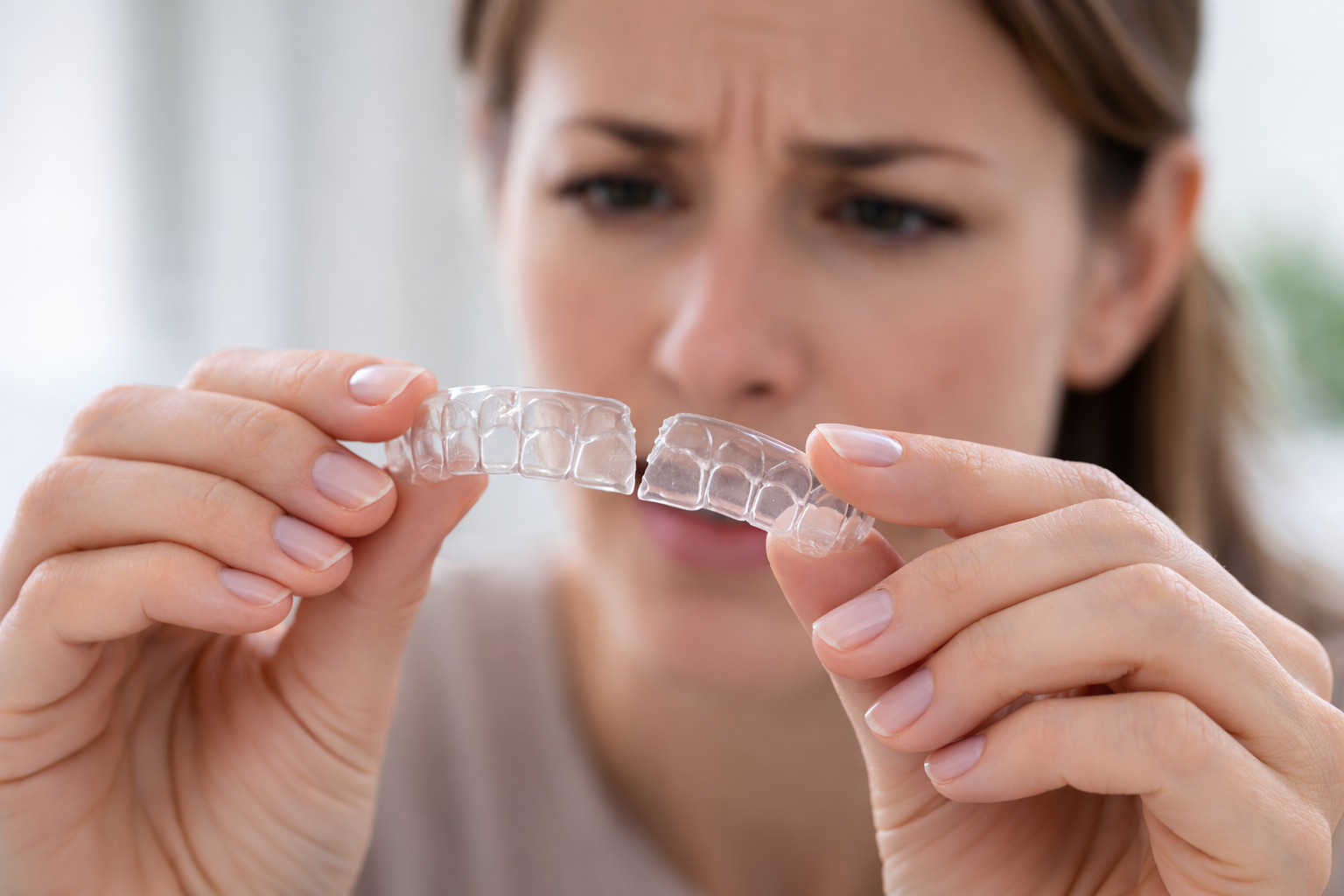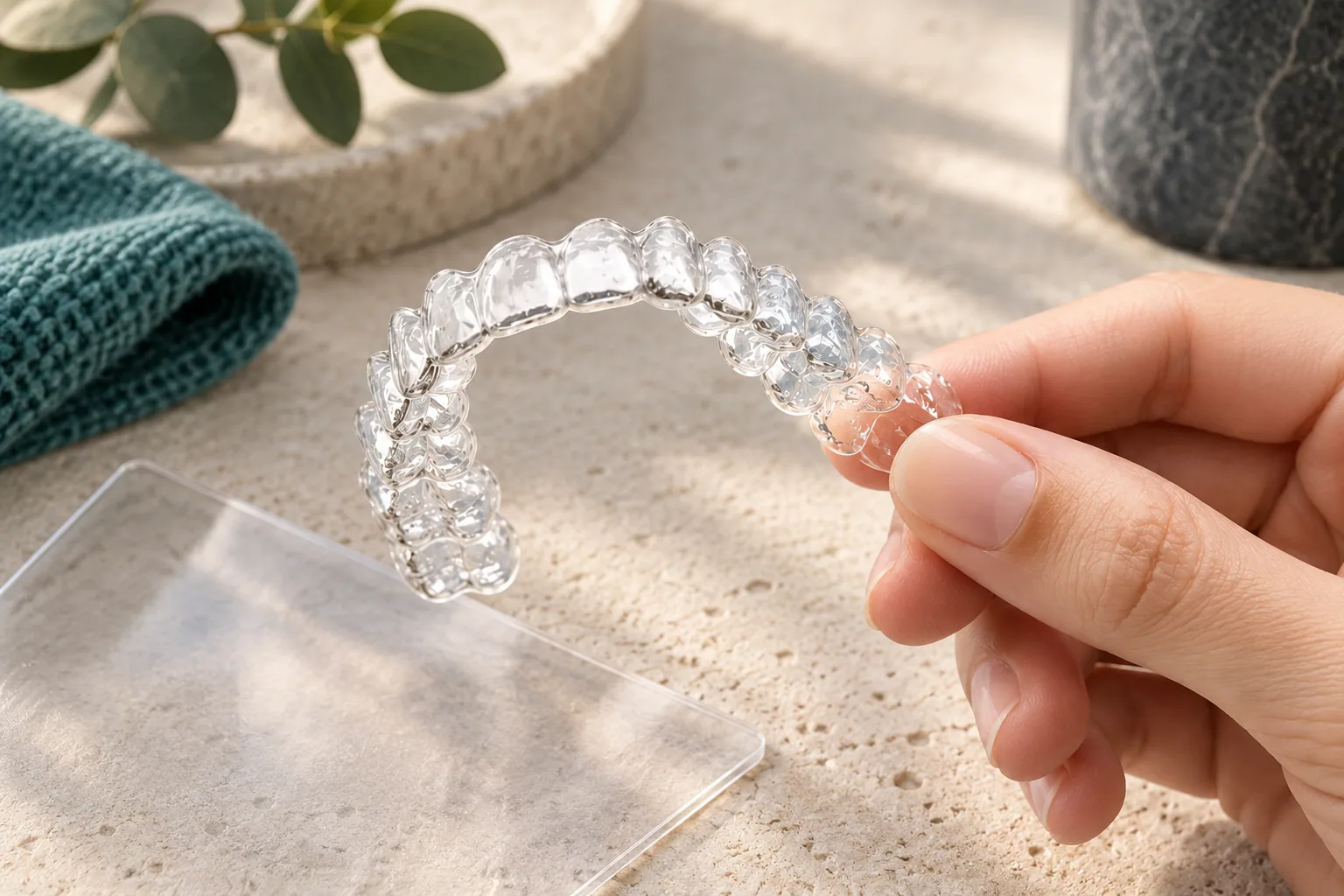


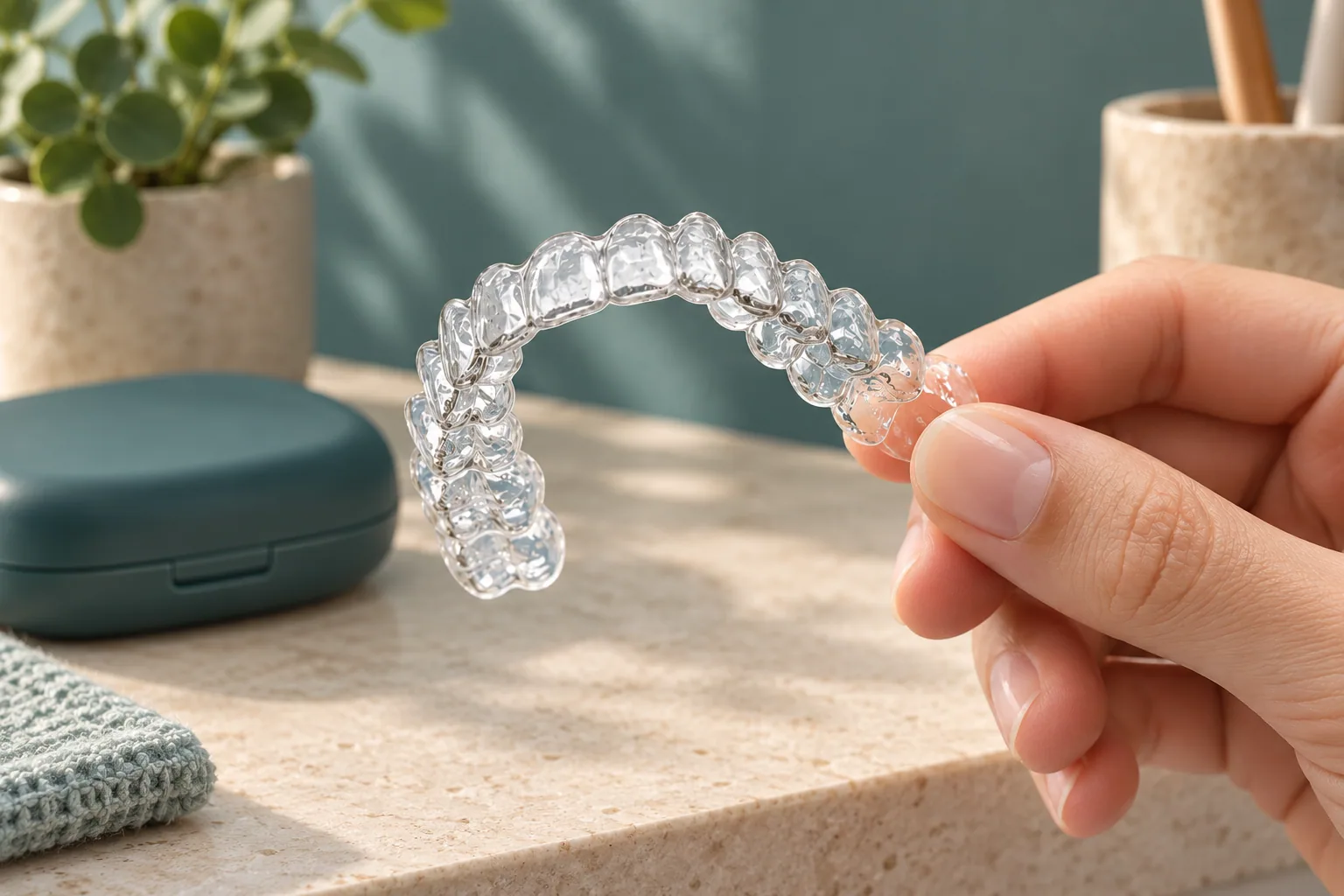
A retainer and a night guard can look similar, and a clinician may tell you to wear either one at night. That does not mean they do the same job. A retainer is used to maintain tooth positions after orthodontic treatment. A night guard may be prescribed to help protect teeth in someone who grinds or clenches. The appropriate design and instructions depend on your dental assessment.
Compare the purpose before the appearance
| Question | Retainer | Night guard |
|---|---|---|
| Primary purpose | Maintain the tooth positions specified in a retention plan. | Provide protection as part of a clinician’s plan for grinding or clenching. |
| Typical decision-maker | The treating dental or orthodontic clinician. | The dentist assessing the grinding, wear, and other relevant concerns. |
| What appearance cannot tell you | Whether it is suitable for another job. | Whether it also maintains your orthodontic result. |
| When there is a concern | Have fit, damage, or changed seating assessed. | Have fit, wear, discomfort, or damage assessed. |
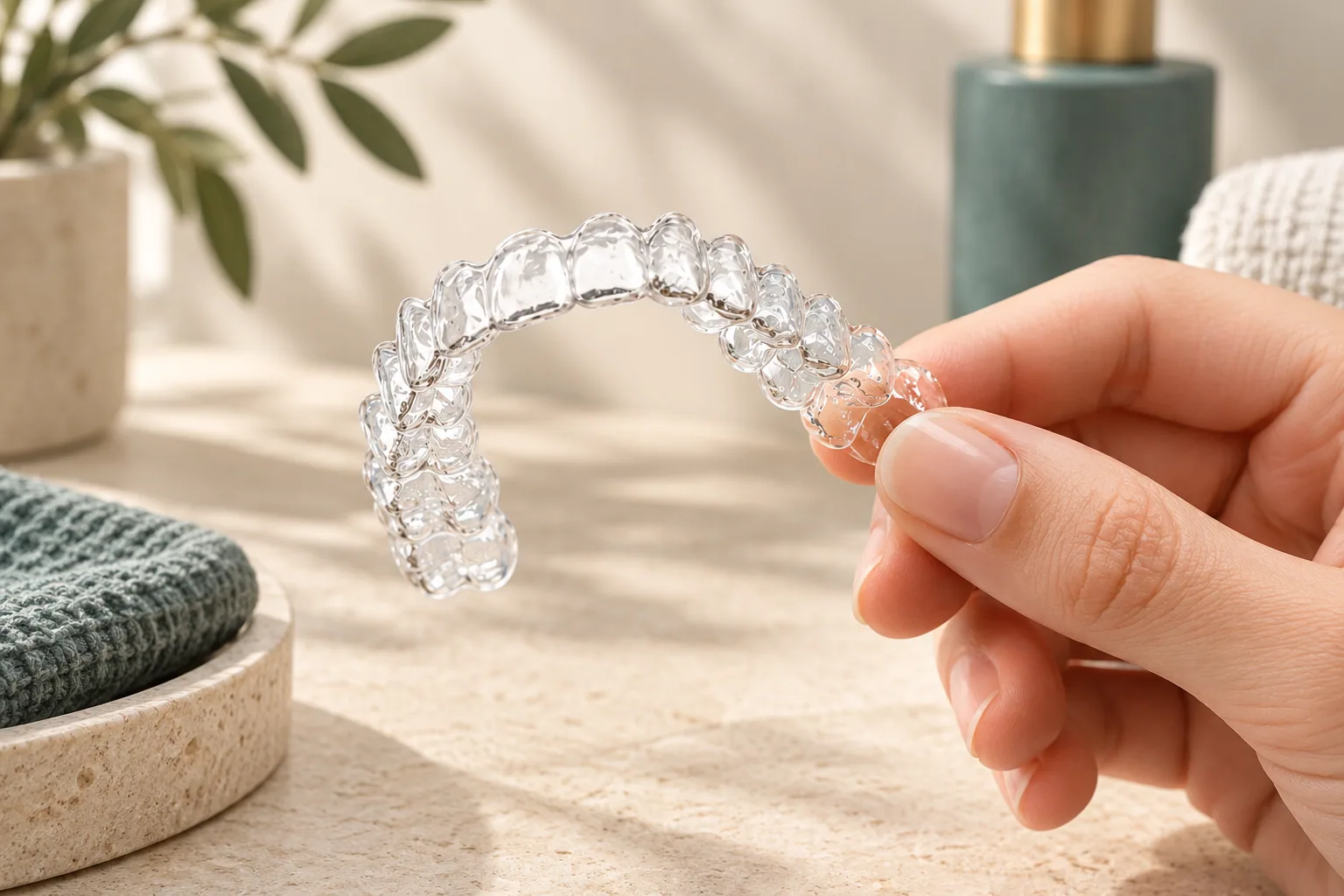
Can a retainer double as a night guard?
Do not assume that it can. A transparent appliance may cover the teeth without having the design your dentist wants for a grinding concern. Likewise, a guard is not automatically a substitute for your retainer. If someone has offered a combined solution, ask the prescribing clinician to explain how it addresses both needs in your case and what wear instructions apply.
Thickness is not a reliable shortcut. A photo or a measurement at the edge does not establish an appliance’s intended function. Our retainer thickness guide compares the available sizes, including SuperbDent’s 0.76 mm and 1 mm options, and explains how thickness differs from appliance purpose.


What if you already wear a retainer and grind your teeth?
Tell your dentist and orthodontic provider about both needs. Bring your existing appliance and describe any cracks, areas of wear, discomfort, or change in how it seats. Ask them to coordinate a plan rather than alternating between appliances on your own. Do not layer a generic guard over a retainer unless your clinician has specifically prescribed that arrangement.
- Which appliance should I wear, and on which schedule?
- Does the plan address my retention needs as well as the grinding concern?
- What changes in fit or wear should prompt a call?
- What should I do if the appliance becomes damaged or unavailable?
Storage and care still matter
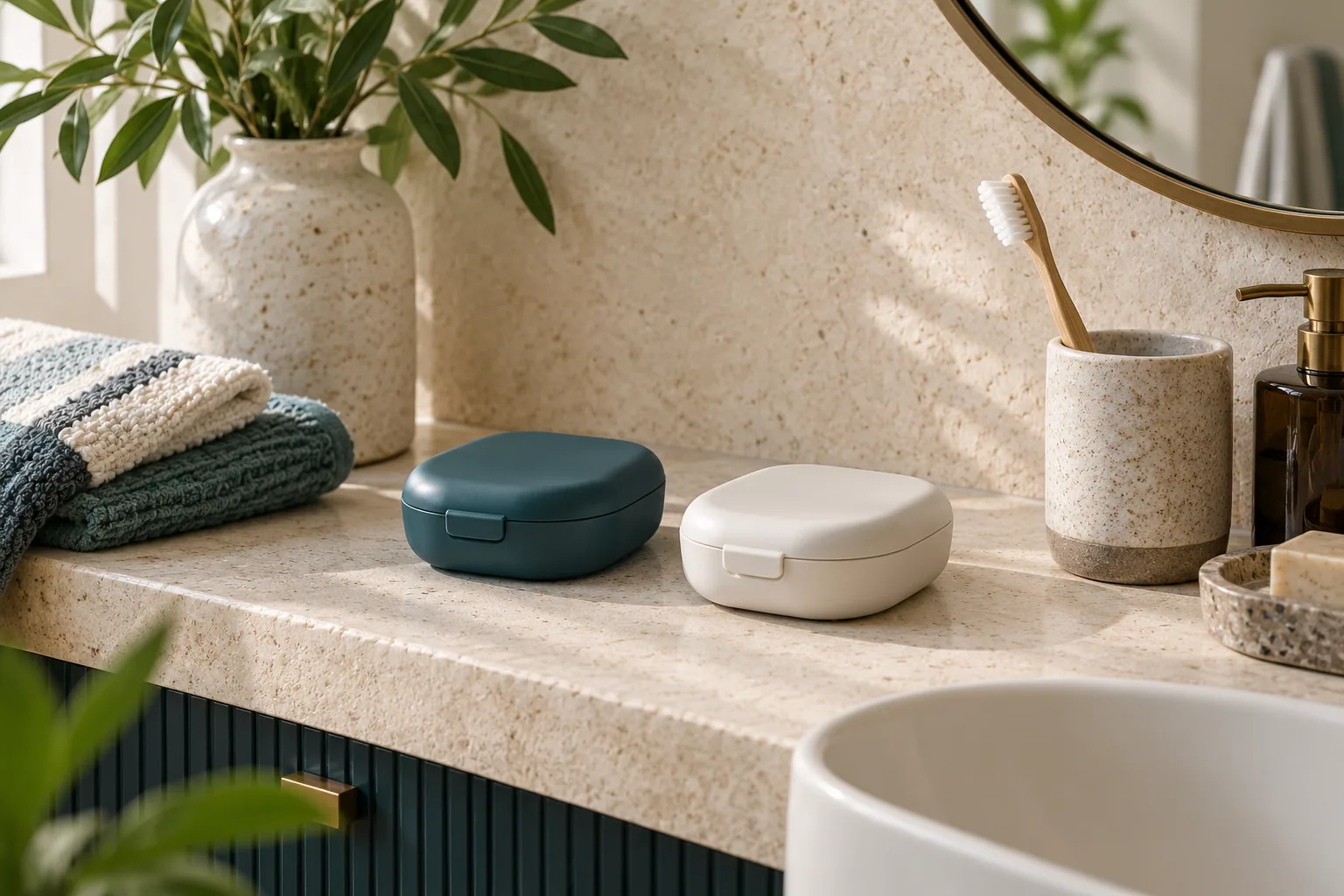
Follow the instructions for the specific appliance you were given. Keep it in its protective case when it is out of your mouth, and bring it to dental appointments when requested. A case protects it from everyday mishaps but does not replace cleaning or a fit check. Avoid transferring a cleaning method from a different appliance without confirming that it is compatible.
The useful next step
If you are uncertain what you have, ask your provider to identify it and explain its purpose. You do not need to diagnose grinding or choose a material yourself. The goal is a clear set of instructions that protects the treatment result and addresses the concern your dentist has assessed. If something breaks, our damaged retainer guide explains how to organize the next conversation.
Sources & further reading
- American Dental Association: teeth grinding
- American Association of Orthodontists: retainer and mouthguard questions
Prepared by SuperbDent Editorial. General education; your treating clinician determines your appliance and care plan.