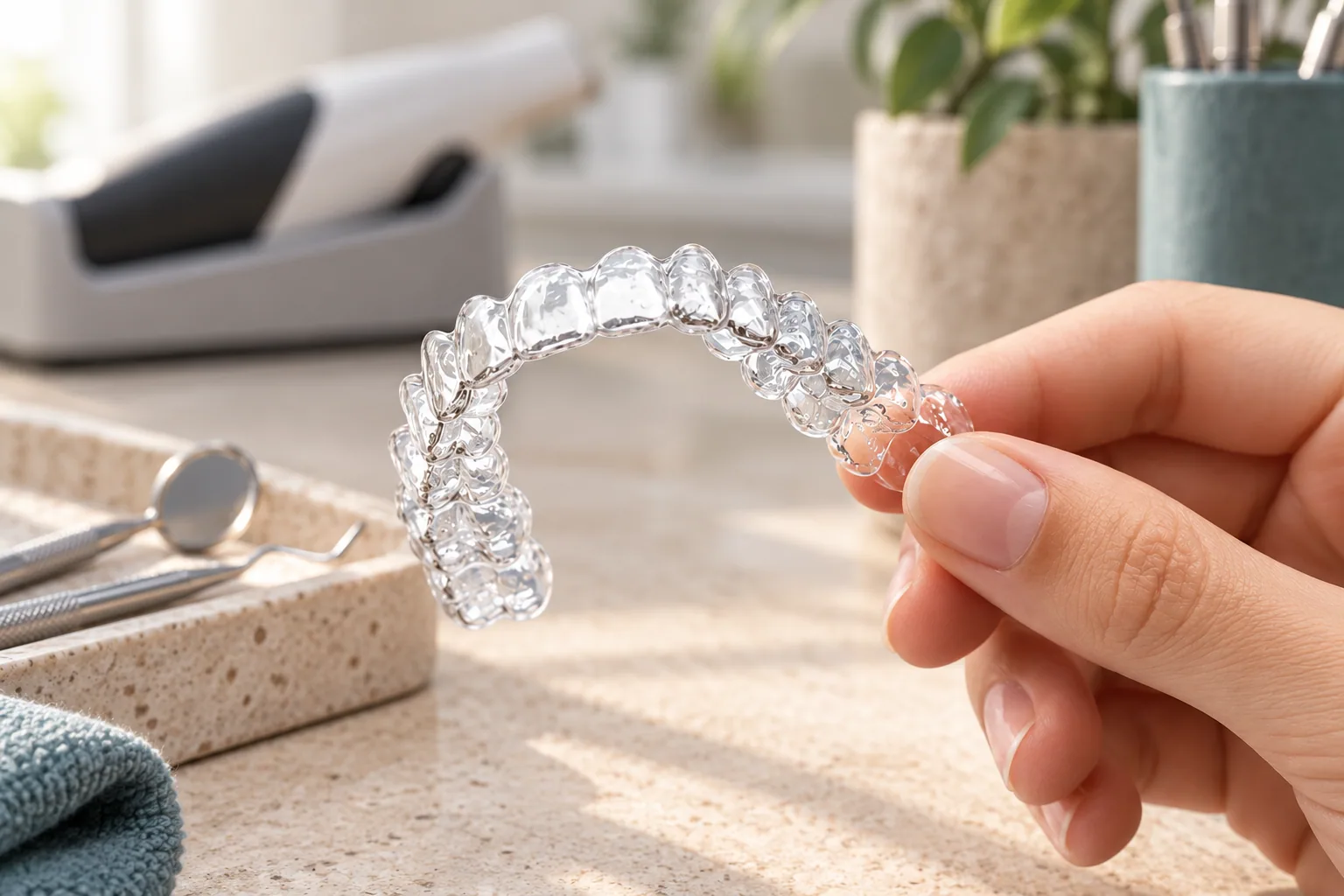


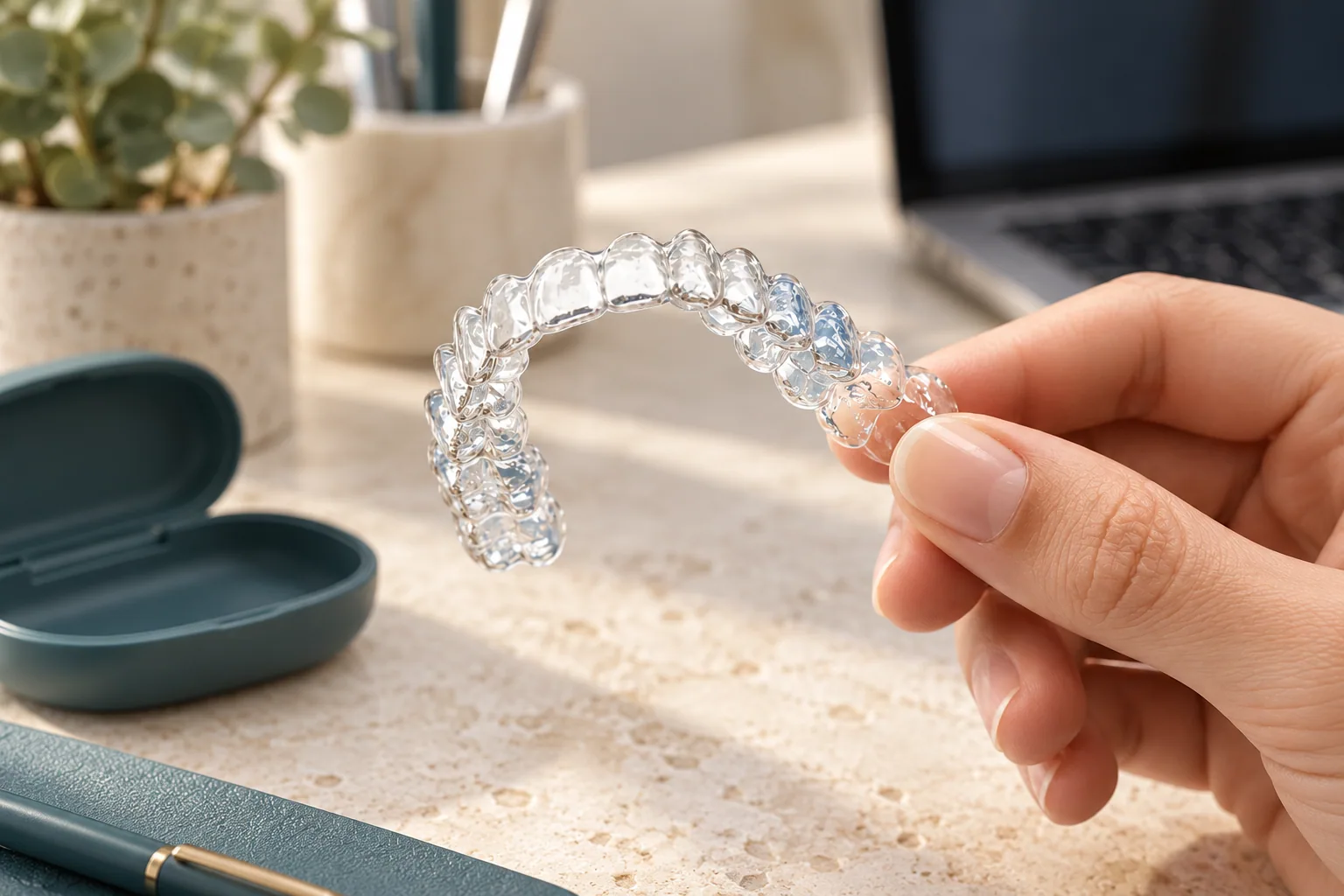
A replacement retainer may be made from an existing digital scan when the treating clinician considers that record suitable and the laboratory can use it. A stored file does not, by itself, establish that a new appliance will fit today. The practical benefit is a simpler starting point for the conversation—not an automatic promise that every reorder can skip an appointment.
Start with the patient, then open the record
When a patient calls about a lost or damaged retainer, the team needs more than the old order number. Ask when the appliance was last worn, what happened to it, whether it still seated before the problem, and whether the patient has had dental treatment since the previous scan. Route questions about pain, fit, or tooth movement to the treating clinician.
This short intake prevents the administrative convenience of a saved file from becoming a clinical assumption. The front desk can gather information and arrange the next step; the clinician remains responsible for deciding whether the existing record is appropriate.

Check what the stored scan actually represents
| Check | Why it matters |
|---|---|
| Scan date and treatment stage | A pre-treatment scan and a final retention scan serve different purposes. |
| Upper and lower arch identification | A correct patient name does not prevent an arch-selection error. |
| Subsequent dental work | The clinician needs to assess whether the recorded anatomy is still suitable. |
| Original appliance specification | Material, trim, and requested options should be confirmed rather than assumed. |
| Current symptoms and fit history | A reorder should not bypass a problem that needs examination. |
Record the clinician’s decision in the practice’s normal system. If a new scan is required, tell the patient why before giving a delivery date. If the existing scan is approved, identify the exact record in the submission. “Use the latest scan” can be ambiguous when several files or treatment stages exist.
When a new assessment becomes especially important
Changed fit, a period without the prescribed retainer, or dental work after the scan are reasons to ask the clinician to reassess the plan. A new crown, restoration, or change in tooth position may affect the relationship between the old record and the current mouth. The appropriate response depends on the individual case; there is no universal scan-expiry date that resolves that decision.

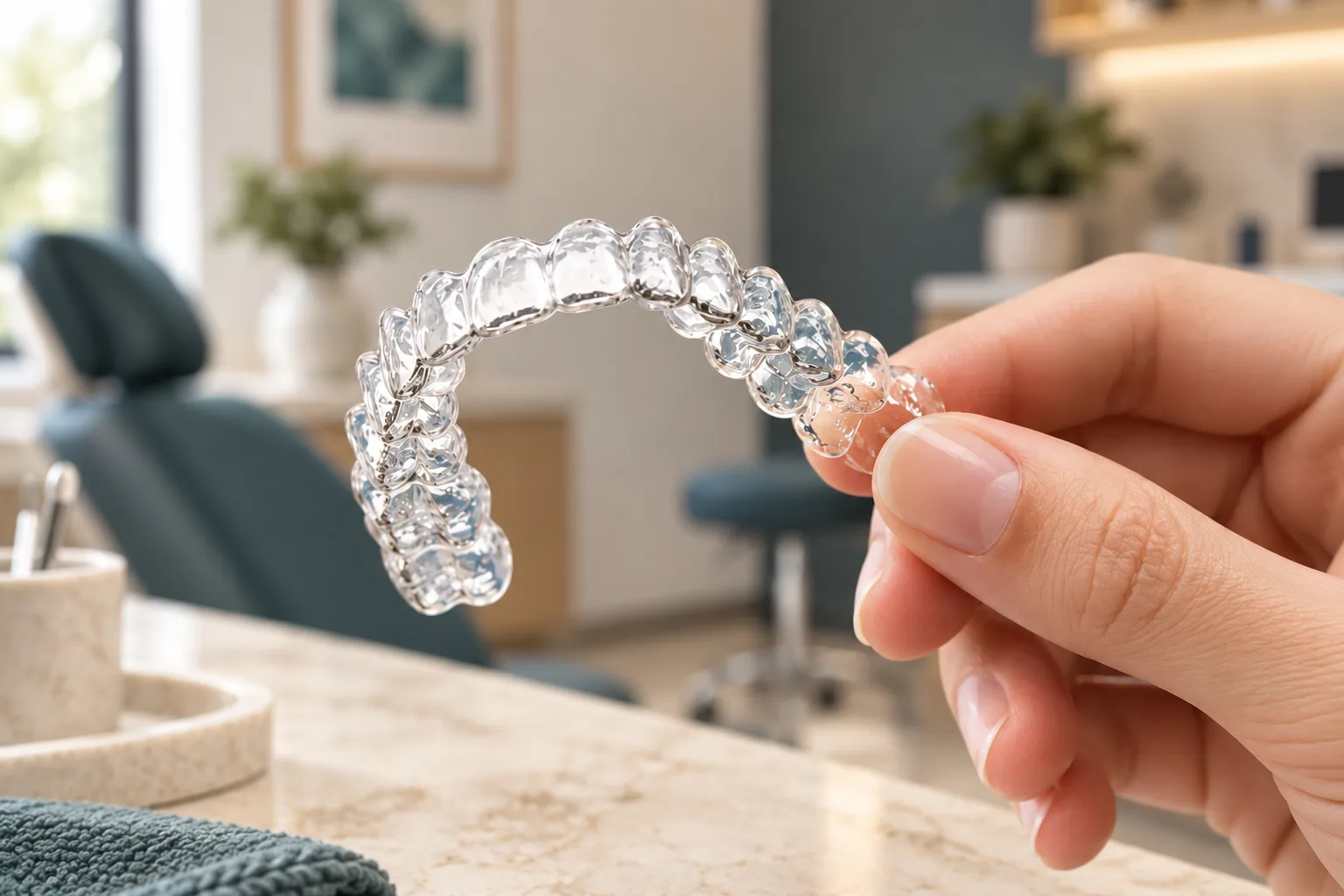
Make the reorder unambiguous
- Use the correct patient record through the practice’s approved submission system.
- Identify the approved scan date and the arch or arches being ordered.
- Confirm the requested appliance, material options, and any changes to the previous order.
- Ask whether the quoted turnaround begins at submission or after the lab accepts complete records.
- Confirm whether the patient will collect the appliance at a fit appointment.
- Give the patient the clinician’s instructions for the period before delivery.
The laboratory should be able to identify which file it will manufacture from and flag missing information. A useful handoff includes an order reference, an agreed point of contact, and a clear way to resolve questions. Review the wider scan-to-delivery workflow if reorders currently depend on one team member remembering every step.
Explain the process clearly to the patient
A simple explanation is: “We will ask the clinician to review your current situation and the scan on file. If it is suitable, we can use it for the replacement order. If anything has changed, we may need an appointment or an updated scan.” This sets an accurate expectation without promising a result before the record has been assessed.
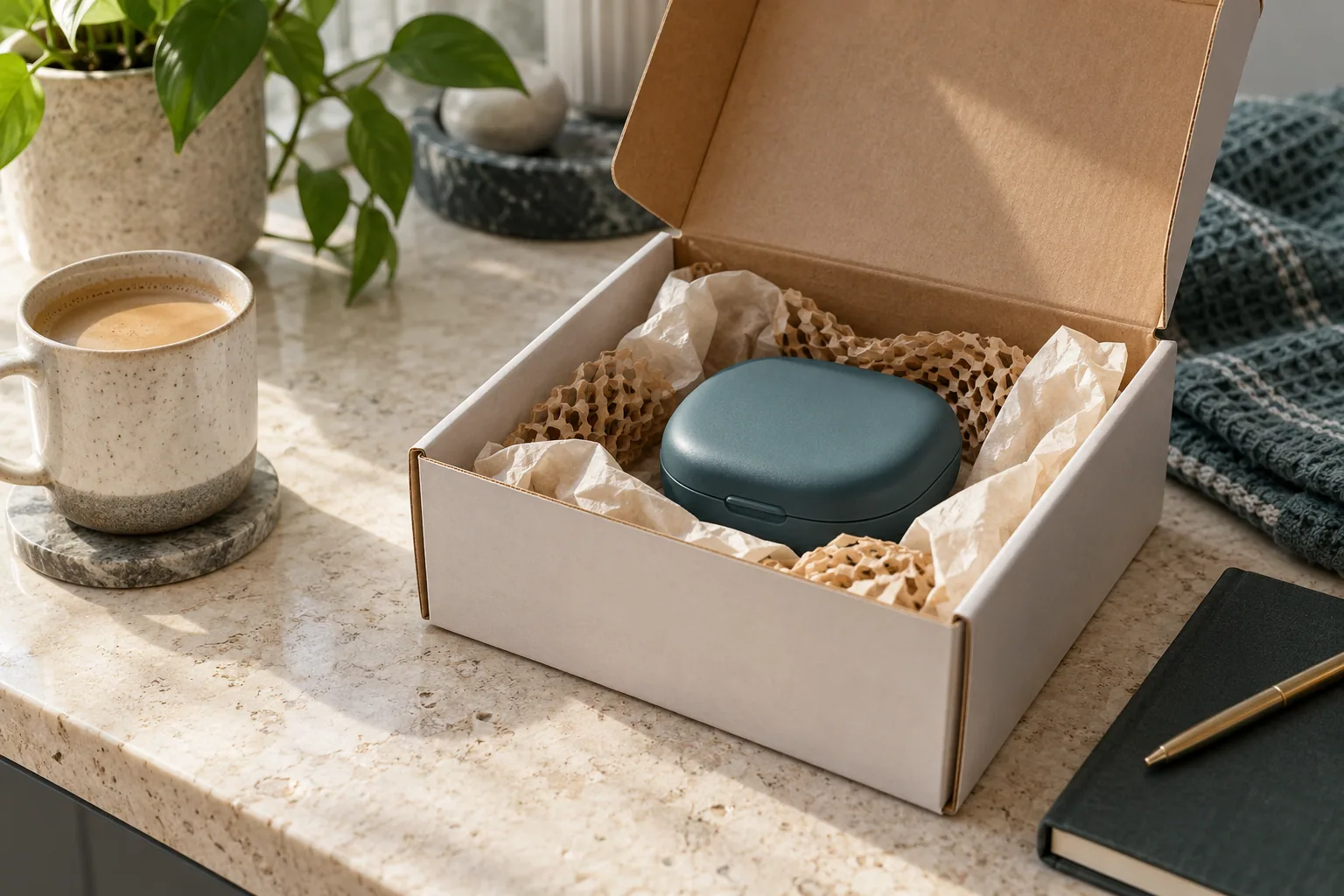
For practices using Superb Retainer, confirm the available record and current order requirements in the provider workflow. For patients who have lost an appliance, our lost-retainer guide helps organize the questions to take to the treating practice. A good replacement process closes the loop after delivery by documenting fit and the instructions given.
Sources & further reading
- AAO: retention after orthodontic treatment
- Invisalign: how different retainers are made
- SuperbDent: Superb Retainer
Prepared by SuperbDent Editorial. General education; your treating clinician determines your appliance and care plan.