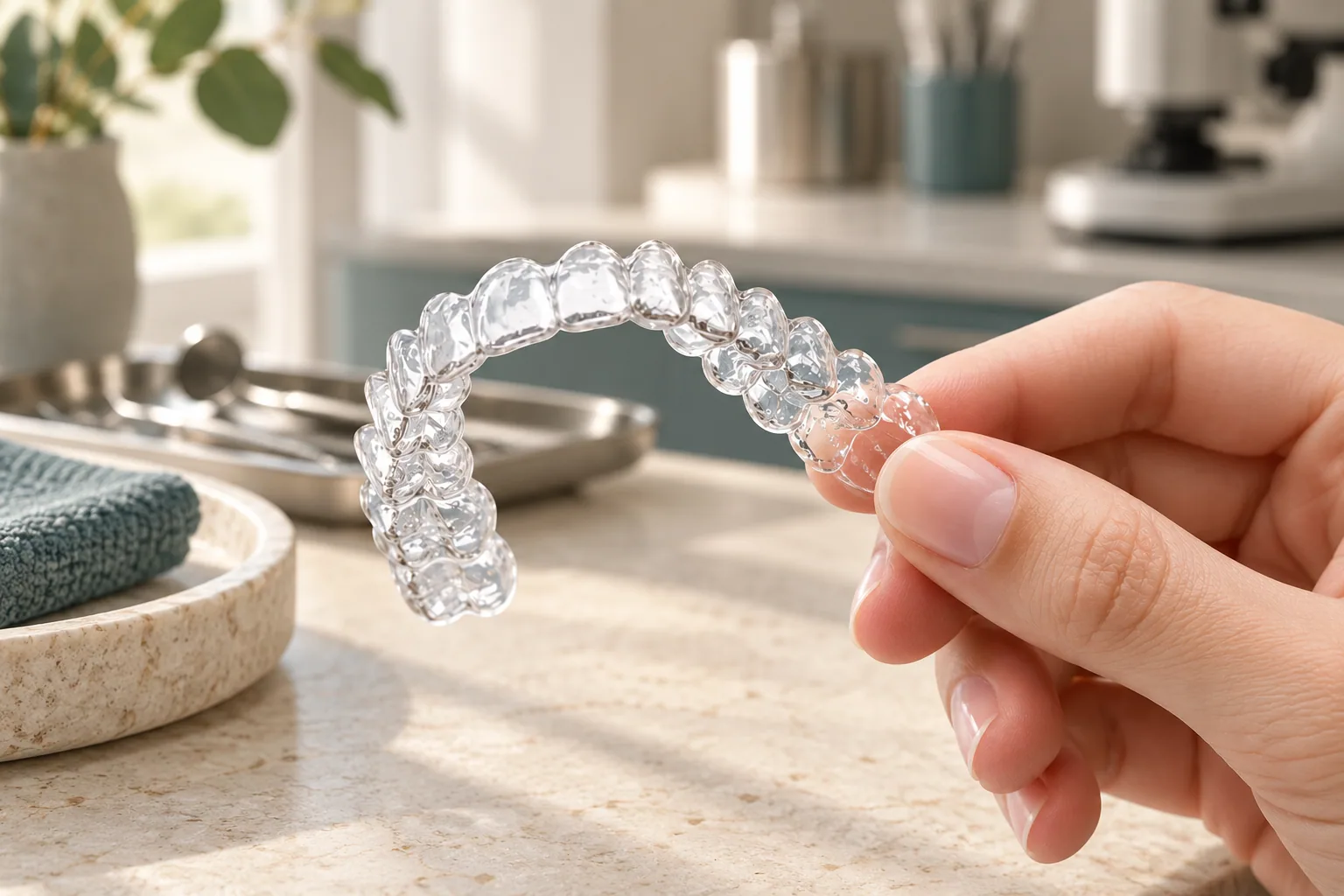
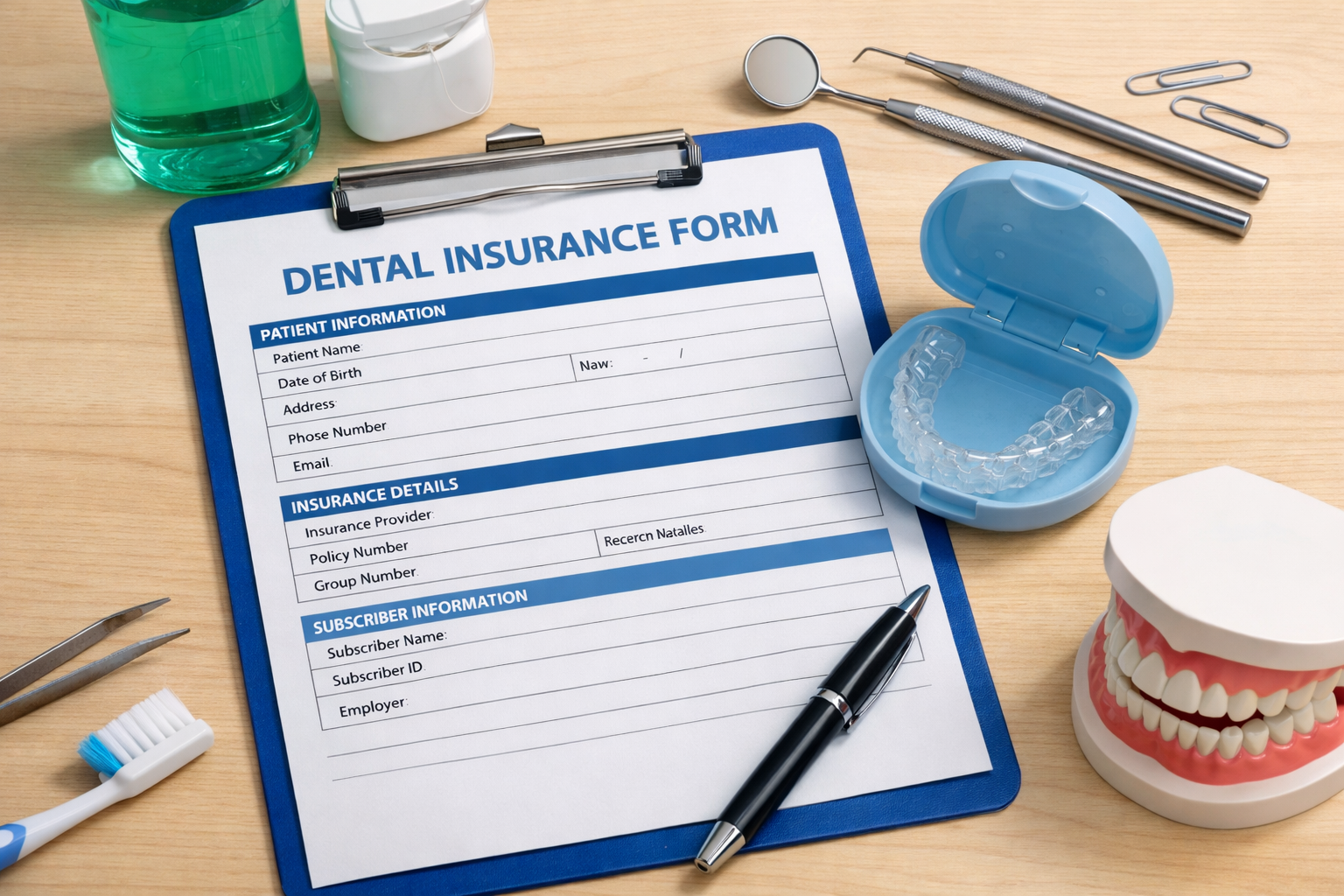
You just finished months (or years) of orthodontic treatment. Your teeth look great. Your orthodontist hands you a clear retainer and says, "Wear this every night." Then you check the price tag — and a new question hits: does my insurance actually cover this?
It's one of the most commonly asked questions in orthodontics, and the answer isn't as simple as yes or no. Coverage depends on your specific plan type, whether the retainer is your first or a replacement, your age, and even how the retainer is billed. In this guide, we'll break down exactly how dental insurance handles clear retainers in 2026, what you can expect to pay out of pocket, and the smartest strategies to reduce your costs — including why choosing the right retainer from the start can save you more than any insurance plan.
When coverage relates to a replacement, first confirm the clinical and record requirements in our replacement retainer guide. Obtain benefit details directly from your plan.
Quick Answer: Most dental insurance plans with orthodontic benefits cover the initial set of retainers after braces or aligner treatment, typically at 25–50% coinsurance with a lifetime orthodontic maximum of $1,000–$3,000. Replacement retainers, however, are often excluded or only partially covered. Clear retainers without insurance cost $100–$300 per set. HSA and FSA accounts can be used to pay for retainers with pre-tax dollars.
This distinction matters more than most people realize. Standard clear retainers have a typical lifespan of just 6–12 months, meaning most patients will need multiple replacements over the years. If your insurance doesn't cover replacements, that's a recurring out-of-pocket expense that adds up fast. It's one of the reasons many orthodontists now recommend starting with a more durable retainer — like the Superb Retainer — that can last significantly longer and reduce the number of replacements you'll ever need.
Pro Tip: The Superb Retainer is built with Zendura A, a clinical-grade material that lasts 2–5 years instead of the 6–12 months typical of standard Essix retainers. Since most insurance plans only cover your first retainer, choosing one that won't need replacing for years is one of the smartest financial decisions you can make after orthodontic treatment.
How Much Do Clear Retainers Cost Without Insurance?
Whether your insurance covers retainers or not, understanding the full retail cost helps you evaluate your options and plan your budget. Here's what retainers cost out of pocket in 2026:
Factors That Affect Retainer Cost
- Geographic location: Retainer prices vary significantly by region. A clear retainer in Manhattan may cost $500+, while the same retainer in a smaller market might be $150.
- Provider type: In-office retainers from your orthodontist include professional fitting, follow-up adjustments, and warranty. Online dental labs offer lower prices but skip the in-person fitting.
- Material quality: Standard PETG plastic is cheaper but wears out faster. The Superb Retainer, for example, uses Zendura A — a clinical-grade material with superior durability, stain resistance, and clarity retention. It costs more upfront but is often more economical per year of use because it lasts so much longer.
When evaluating retainer cost, price per year is more useful than sticker price. A $150 standard Essix retainer that lasts 9 months costs roughly $200/year. A Superb Retainer at $300 that lasts 3 years costs just $100/year — and saves the time and hassle of multiple replacements and orthodontist visits.
Common Insurance Limitations & Exclusions
Before counting on insurance to cover your clear retainer, familiarize yourself with these common restrictions that trip up patients every year:
Lifetime Maximums That Don't Reset
Orthodontic coverage is subject to a lifetime maximum — not an annual maximum. The typical range is $1,000–$3,000. Once exhausted, there's no more orthodontic coverage for the life of the plan, even if you switch employers (though your new employer's plan starts a fresh maximum).
Waiting Periods
Most individual dental plans impose a 6–12 month waiting period before orthodontic benefits activate. Some plans require up to 24 months. If treatment begins during the waiting period, insurance typically won't cover any portion — even after the waiting period ends. Employer-sponsored group plans may waive the waiting period if you had prior continuous dental coverage.
Age Restrictions
Some plans limit orthodontic benefits to dependents under age 18 or 19. Others extend coverage to age 26 (mirroring medical insurance dependent rules), and some have no age restriction at all. If you're an adult seeking retainer coverage, verify your plan's age limits before assuming you're covered.
Some insurance companies classify clear retainers as cosmetic rather than medically necessary — especially if they're replacing a lost retainer years after the original orthodontic treatment ended. If your claim is denied as cosmetic, ask your orthodontist to provide a letter of medical necessity documenting how the retainer prevents orthodontic relapse and maintains dental health.
Other Common Exclusions to Watch For
- Treatment already in progress when the policy takes effect
- Retainer adjustments (CDT code D8681) — many plans exclude these
- Second opinions or duplicate orthodontic services
- Non-participating providers under HMO/DHMO plans (zero coverage out of network)
- Replacement retainers due to loss, damage, or normal wear
- Time-limited retainer coverage (e.g., only during the first year post-treatment)
The Replacement Problem: Since most plans won't cover replacement retainers, every replacement comes straight out of your pocket. This is where retainer quality really matters. Patients who start with a Superb Retainer typically go years before needing a replacement — sidestepping this limitation entirely and saving hundreds of dollars in uncovered costs.
Coverage Differences by Retainer Type
Insurance companies don't treat all retainer types equally. The type your orthodontist recommends can directly affect how much your plan pays.
Worth noting: The Superb Retainer is billed under the same CDT code as a standard Essix retainer. Your insurance treats it identically in terms of coverage — but you get a far more durable product that resists staining, cracking, and warping for years longer. It's one of the few cases where you can upgrade quality without affecting your insurance reimbursement at all.
Most plans cover the first retainer as part of the overall orthodontic treatment fee, regardless of type. Since your initial retainer is the one most likely to be covered, this is the time to choose wisely. A Superb Retainer covered at the same rate as a basic Essix gives you years of additional wear from that same insurance benefit. PPO plans provide the most flexibility across all retainer types, while DHMO plans tend to be most restrictive.
Standard clear (Essix) retainers cost $100–$300 per set without insurance. The Superb Retainer, which uses clinical-grade Zendura A material, ranges from $150–$400 but lasts 2–5 years — making it more cost-effective long term. Vivera retainers (Invisalign brand) cost $400–$1,000 for up to four sets. Prices vary by geographic location, provider, and material quality.
Most insurance plans offer limited or no coverage for replacement retainers. The initial retainer is usually bundled into the orthodontic treatment package, but replacements for lost, damaged, or worn retainers are frequently excluded. Some plans may cover one replacement within a certain timeframe. To increase approval odds, ask your orthodontist to document medical necessity for the replacement. To reduce the need for replacements altogether, many patients choose a longer-lasting option like the Superb Retainer for their initial set.
Yes. Orthodontic retainers are eligible expenses under HSA, FSA, HRA, and LPFSA accounts. The retainer must be prescribed by a dental professional for a health-related purpose. Only the portion not covered by insurance qualifies for reimbursement. Using pre-tax dollars effectively saves you 20–35% depending on your tax bracket.
A lifetime maximum is the total dollar amount your dental plan will pay toward orthodontic treatment over the life of the policy. Most plans set this at $1,000–$3,000; premium plans may go up to $5,000. Unlike annual dental maximums, the orthodontic lifetime maximum does not reset each year. Once it's exhausted, no further orthodontic benefits are available under that plan.
Most individual dental insurance plans impose a 6–12 month waiting period before orthodontic benefits take effect. Some plans require up to 24 months. If treatment starts during the waiting period, it typically won't be covered at all. Employer-sponsored group plans may waive or shorten the waiting period if you had prior dental coverage.
It depends on your situation. Discount plans cost less ($49–$150/year), have no waiting periods, and have no annual or lifetime caps. They're particularly useful for replacement retainers that insurance won't cover. However, they only discount the price (10–60% off) rather than paying a portion of the bill. For initial retainers covered under orthodontic treatment, insurance usually provides better value. Some people use both: insurance for the initial retainer and a discount plan for future replacements.
For children under 21, Medicaid is required to cover orthodontic treatment — including retainers — when deemed medically necessary through the EPSDT benefit. Adult coverage varies significantly by state; most states do not cover adult orthodontics unless a critical medical need is documented. Contact your state Medicaid office for specific retainer coverage details.
The most effective strategies are: (1) Pay with HSA/FSA pre-tax dollars for an immediate 20–35% savings, (2) Join a dental discount plan for 10–60% off at participating providers, (3) Choose a retainer built to last — the Superb Retainer lasts 2–5 years, dramatically reducing replacement costs, and (4) Take excellent care of your retainer to extend its lifespan. Combining these approaches can cut your total retainer spending by half or more over time.